

If you have been following technology news recently, you might think a beloved smartphone brand is at the end of its life. Headlines are swirling about store closures, CEOs stepping down, and operations halting in the West. But to truly understand the massive OnePlus restructuring currently underway, we need to look past the panic.
OnePlus is not simply dying. The company is not naturally fading away due to a lack of interest. Instead, what we are witnessing is a highly managed, deliberate assimilation by its parent company, OPPO.
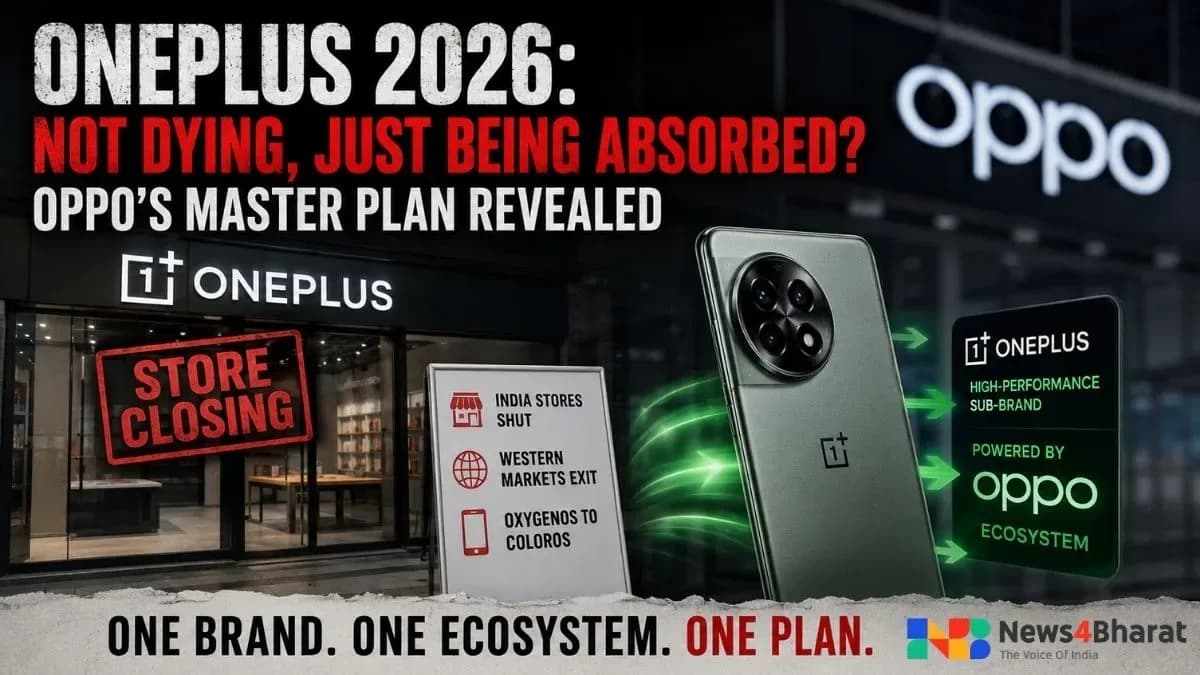
For years, OnePlus operated like a rebellious younger sibling. It launched phones with incredible specs at shockingly low prices. It built a massive community of loyal fans. But in the background, it was always part of BBK Electronics, a massive corporate giant that also owns OPPO and Vivo.
Today, the smartphone market has changed, and that corporate giant is pulling the strings to bring OnePlus back in line.
Also Read | OxygenOS to ColorOS: What Changes for OnePlus Users?
The End of the Independent Era
In the early days, OnePlus was famous for its "Never Settle" slogan. It operated with immense freedom, directly competing with its own sister brand, OPPO, for the premium market share.
However, the global smartphone market is shrinking. People are holding onto their phones for four to five years instead of upgrading every two years. Because of this slowdown, parent companies can no longer afford to fund two separate brands that fight for the exact same customers.
The recent moves by OnePlus are all geared toward stripping away its independence:
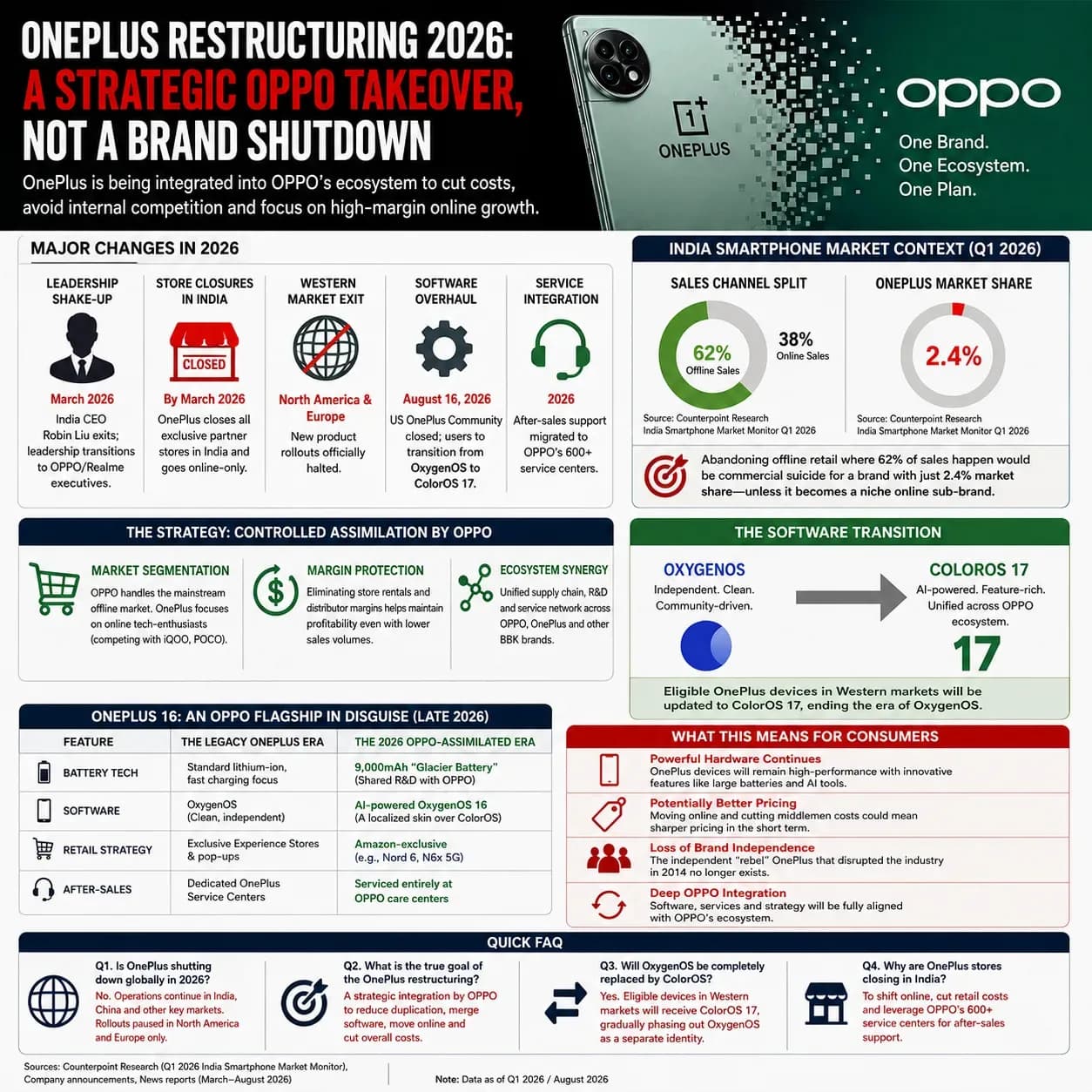
- The sudden resignation of OnePlus India CEO Robin Liu in March 2026 removed the independent strategic vision for the region.
- Regional leadership is quietly transitioning to OPPO and Realme executives.
- By shifting customer service to OPPO's massive network of over 600 service centers, OnePlus no longer has to pay for its own dedicated repair shops.
Why is OnePlus Leaving the West?
One of the biggest shockwaves in the tech world was the announcement that OnePlus is halting new product rollouts in North America and Europe. To the average consumer, this sounds like a bankruptcy. In reality, it is basic math.
The Carrier Problem in America
In the United States, you do not usually buy a phone outright on Amazon. The vast majority of Americans buy their phones directly through their mobile carriers, like AT&T, Verizon, or T-Mobile.
If a brand cannot secure premium shelf space inside those carrier stores, it cannot survive in America. OnePlus previously had a strong partnership with T-Mobile, but as that relationship faded, so did their sales.
By 2025, OnePlus made up less than 1% of the US smartphone market. Maintaining local staff, marketing, legal compliance, and distribution for less than a 1% share is a massive financial drain. OPPO looked at the balance sheet and decided to stop the bleeding.
The India Strategy: Online-First or OPPO's Shadow?
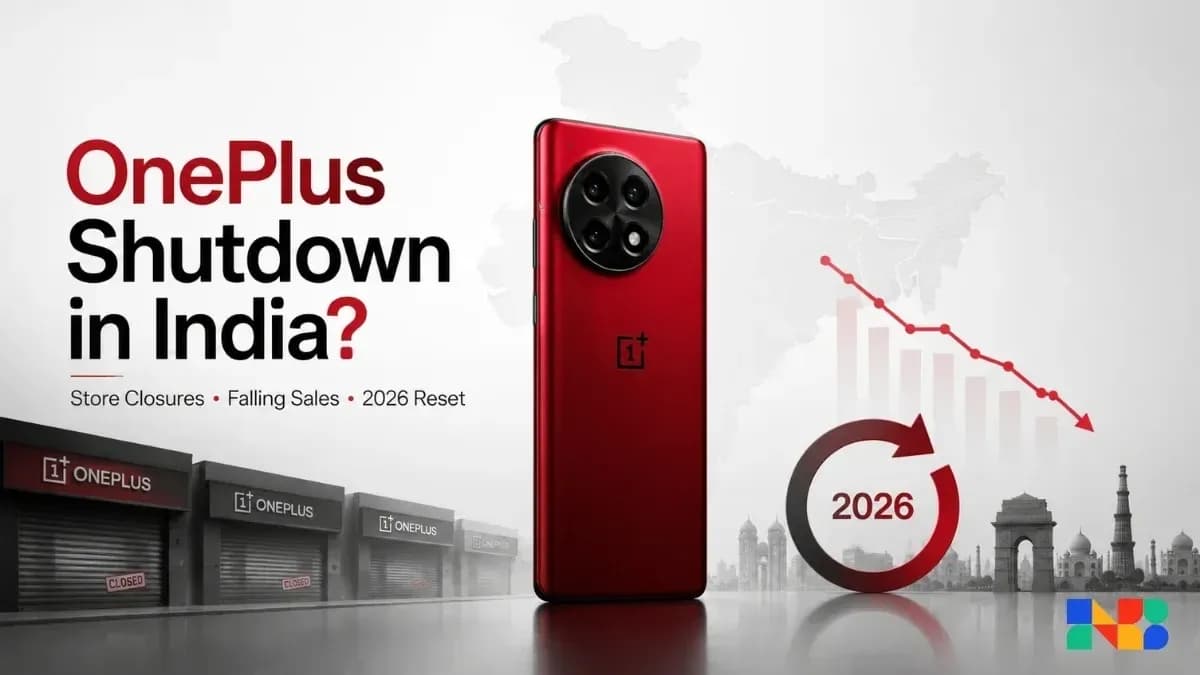
India remains a massive market for OnePlus, but the strategy here is also changing drastically. In early 2026, OnePlus ordered its exclusive partner-run stores in India to shut down.
The official company line is that they are returning to an "online-first" model to offer sharper pricing. But when you look at the raw data, this explanation has holes.
The Reality of the Indian Offline Market
Right now, roughly 62% of all smartphone sales in India happen offline in physical stores. People spending upwards of ₹40,000 want to hold the phone, test the camera, and talk to a human about financing options.
Why would a brand willingly abandon 62% of the market? Because OPPO already owns it.
OPPO has an incredibly powerful, sprawling physical retail network across Tier-1, Tier-2, and Tier-3 cities in India. The corporate parent does not need OnePlus paying expensive mall rentals to compete with OPPO offline.
Instead, the new strategy looks like this:
- OPPO will dominate the physical retail stores, appealing to mainstream buyers who want to test phones in person.
- OnePlus will be forced entirely online, targeting tech enthusiasts and gamers who care deeply about processors and specs.
- By cutting out store rent and middleman distributors, the parent company protects its profit margins on every OnePlus phone sold on Amazon.
The Software Shift: Goodbye OxygenOS
For many hardcore fans, the software was the best part of owning a OnePlus. OxygenOS was fast, clean, and free of the annoying bloatware found on other devices. It felt like pure Android.
That era is now coming to a close.
The Transition to ColorOS 17
OnePlus has announced that eligible users in Western markets will soon be offered a transition to ColorOS 17, which is OPPO's proprietary software system.
While the company promises that the user experience will remain smooth, this is the ultimate sign of integration. Maintaining two entirely separate operating systems costs millions of dollars in software engineering and security updates. By forcing OnePlus hardware to run OPPO software, the parent company saves a fortune.
While the Indian market is still seeing OxygenOS 16 updates for now, the writing is on the wall. The underlying code of both operating systems has been merging for years. Soon, the only difference will be the name on the loading screen.
Also Read | OnePlus Phones Keep Getting Costlier—What Happened to the ‘Flagship Killer’?
What to Expect from the OnePlus 16
If we want to see this new corporate reality in action, we just have to look at the rumored upcoming flagship, the OnePlus 16.
On paper, this phone sounds like a beast. Leaks suggest it will feature a massive 9,000mAh "Glacier Battery" and cutting-edge AI features. But if you look closely, you will see OPPO's fingerprints everywhere.
Shared Hardware and unified Vision
The battery technology being tested for the OnePlus 16 is a direct result of OPPO's massive Research and Development budget. The AI translation and writing tools coming to the device are built on OPPO's unified software backbone.
Moving forward, you can expect upcoming OnePlus phones to be:
- Exclusively sold online or through major e-commerce events.
- Serviced entirely at OPPO care centers.
- Powered by software that heavily mirrors OPPO's ColorOS.
- Marketed as a high-performance, gaming-friendly alternative to OPPO's camera-focused mainstream phones.
Moving Forward in a Changing Market
The smartphone industry is no longer the wild west it was in 2014. Building an independent, rebel tech brand from scratch and fighting giants like Apple and Samsung is nearly impossible today.
The 2026 restructuring is simply the final step in a long journey. OnePlus is not dying, but it is transforming into an incredibly powerful, online-exclusive sub-brand for OPPO.
Also Read | OnePlus Shutdown 2026 Explained: OxygenOS Changes & What Users Need to Know
For the average consumer, this means you will still be able to buy fast, powerful phones at competitive prices. Your warranties will still be honored, and your phone will still get security patches. But the scrappy, independent startup that changed the tech world a decade ago has finally settled.