
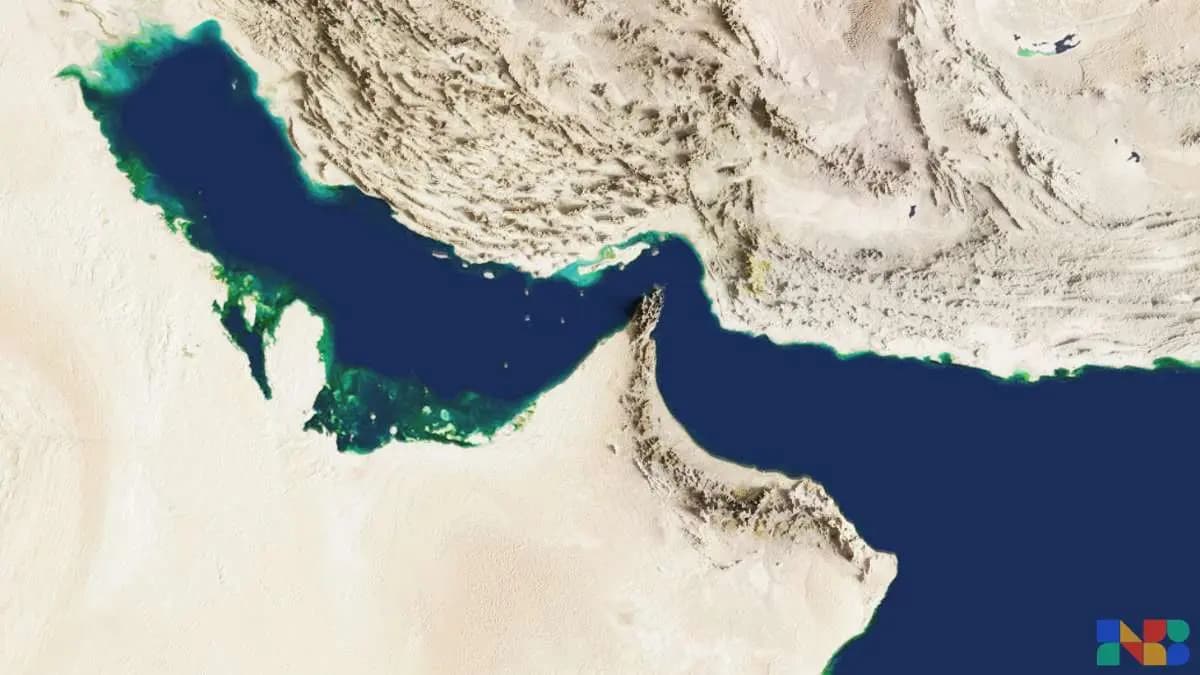
April 13, 2026. At 10 am Eastern Time — 7:30 PM India Standard Time — the United States military activated a naval blockade, blocking all maritime traffic entering and exiting Iranian ports. It is the most aggressive American maritime action since the Gulf War. And within hours, three things happened simultaneously: Israel's Prime Minister Benjamin Netanyahu stood in front of cameras and declared full support. Iran's armed forces called it piracy. And oil crossed $104 a barrel.
Also Read | Petrol Diesel Price Today April 13 2026: City-Wise Fuel Rates India
Shipping traffic through the Strait of Hormuz has been largely blocked by Iran since February 28, 2026, when the United States and Israel launched an air war against Iran and killed Supreme Leader Ali Khamenei. In retaliation, Iran launched missile and drone attacks on Israel, US military bases, and US-allied Gulf states. Iran's IRGC issued warnings forbidding passage through the strait, launched 21 confirmed attacks on merchant ships, and reportedly laid sea mines.
Now the US is responding in kind.
Why Peace Talks Failed
Over the weekend, Vice President JD Vance flew to Islamabad for what were the highest-level direct US-Iran talks since the 2015 nuclear deal. They met face-to-face at Islamabad's Serena Hotel for 21 hours. Pakistan had brokered the talks and was genuinely hopeful. By Sunday morning, that hope had collapsed.
According to a US official, the key points on which Iran would not concede included ending all uranium enrichment, dismantling all major nuclear enrichment facilities, allowing the US to retrieve any highly enriched uranium, accepting a broader peace and de-escalation framework, ending funding for proxy groups Hamas, Hezbollah, and the Houthis, and fully opening the Strait of Hormuz without charging tolls. All of these were red lines for the US.
Also Read | 21 Hours, No Deal: JD Vance Flies Home Empty-Handed as Iran Refuses to Surrender Nuclear Path
Trump wrote on Truth Social: "the meeting went well, most points were agreed to, but the only point that really mattered, NUCLEAR, was not."
An Iranian lawmaker who was part of the negotiating team, Mahmoud Nabavian, said leaders around the world should know "the Strait of Hormuz will not be opened." He added: "The world will experience a new form of management in the Strait of Hormuz." Translated plainly: Iran has no intention of simply handing back control.
What the Blockade Actually Does
Here is where it gets complicated. In a statement, US Central Command said the blockade would apply to "all maritime traffic entering and exiting Iranian ports" from 10am Eastern Time on April 13. That includes vessels of all nations entering or departing Iranian ports and coastal areas, including those on the Gulf and Gulf of Oman. However, US forces "will not impede freedom of navigation for vessels transiting the Strait of Hormuz to and from non-Iranian ports."
That distinction matters enormously. Ships going to the UAE, Saudi Arabia, Kuwait, Qatar are not being stopped. The blockade targets Iran's oil exports and imports specifically.
The price of US crude oil jumped 8 percent to $104.24 a barrel after the blockade announcement. Brent crude, the international standard, increased 7 percent to $102.29.
Energy economist Karen Young, a senior scholar at Columbia University's Center on Global Energy Policy, warned that "it could be a long time from now" before oil prices come down, noting that prices will not decline until the strait reopens and damaged oil facilities are repaired. She said elevated oil prices "for certain" into the end of 2026 are the realistic outlook.
On mine clearance: on April 11, the US Navy had begun an operation to clear naval mines laid by Iran during the war. According to one report, Iran itself lost track of mines it planted in the strait and is therefore unable to fully open it even if it wanted to.
Netanyahu: Full Support
Netanyahu said at a cabinet meeting: "Iran violated the rules of the peace talks in Pakistan, President Trump decided to impose a naval blockade. We, of course, support this firm position, and we are in constant coordination with the United States."
That is not a quiet diplomatic nod. Israel is still in active combat in Lebanon. The war with Iran has cost Israel about NIS 35 billion — roughly $11.5 billion — in budgetary expenses, according to an initial estimate by the Finance Ministry, including NIS 22 billion in defense and military spending.
Netanyahu traveled to Israeli-occupied southern Lebanon on Sunday. Israel's military said this weekend it struck more than 200 Hezbollah targets. Lebanese authorities say a Red Cross paramedic was among at least 35 people killed Sunday.
Iran's Army: This is Piracy
Iran's armed forces said that the US imposition of restrictions on the movement of vessels in international waters is "an illegal act and amounts to piracy."
The IRGC said the strait is under "smart control and management" and remains open to civilian vessels for "harmless passage," provided they comply with regulations. "Any military vessels attempting to approach the Strait of Hormuz under any pretext or excuse will be considered a ceasefire violation and will be dealt with harshly and decisively," the IRGC added.
More than 60 percent of the Islamic Revolutionary Guard Corps' naval fleet tasked with patrolling the Strait of Hormuz is still intact after six weeks of war with the US and Israel, according to a Wall Street Journal report. The IRGC mans the strait with a fleet of small speedboats and attack craft equipped with missiles and mines, which are harder to target than traditional battleships as they often evade satellite detection due to their size.
India's Exposure
India's position is the most delicate of any major economy not directly in the conflict. India was one of the few nations granted safe passage through the Strait of Hormuz, offering New Delhi some respite from the energy shortages triggered by Iran's blockade. Just recently, an India-flagged LPG vessel safely crossed the strait, the government said, bringing the total number of ships that have crossed to nine.
To preserve dwindling gas supplies, New Delhi was forced to prioritize households over the commercial sector, leaving some restaurants on the brink of shuttering and slashing industrial profits for companies reliant on natural gas. Surging domestic energy prices have strained millions, particularly those in low-income communities.
The Indian Navy is executing Operation Urja Suraksha, under which over five frontline warships including destroyers and frigates were deployed to the region to escort over 20 Indian-flagged cargo ships on the west of Hormuz.
What Comes Next
Vance left open the possibility that an agreement could still be reached, saying: "We leave here with a very simple proposal: a method of understanding that is our final and best offer." Trump said on the tarmac at Andrews that he does not care whether Iran comes back to the table.
Two things are now happening in parallel. The US Navy is physically enforcing a blockade and clearing mines. Iran's IRGC still controls the strait with a largely intact fast-boat fleet. The ceasefire between the US and Iran is effectively suspended.
The next move is Iran's. Tehran can escalate, hold its position, or return to talks with new leverage. What it cannot do is pretend the blockade is not happening.
