

After WhatsApp, Telegram and Signal are now under the Centre’s scanner over username-based messaging features. The Ministry of Electronics and Information Technology has reportedly asked both platforms to explain what safeguards they have against fraud, phishing and impersonation, as usernames allow users to connect without revealing phone numbers.
The move comes just days after the government directed Meta to pause the rollout of WhatsApp’s planned username feature in India and submit a detailed explanation. For the government, the concern is online safety. For privacy advocates, the worry is bigger: whether anti-fraud action could slowly weaken digital anonymity and private communication.
A username feature allows users to connect through a handle instead of sharing their phone number. This can protect ordinary users from exposing personal numbers to strangers, businesses or public groups. But the same feature can also be misused by scammers to create fake identities, impersonate officials or contact victims without revealing a traceable phone number.
Also Read | Meta’s Paid Social Era Begins: Instagram, WhatsApp and Facebook Get Plus Plans
Why Telegram And Signal Are Under Govt Scanner
India's IT Ministry says hidden usernames could fuel:
- Digital arrest scams that trick elderly people into sending money.
Phishing scams that use fake profiles to steal personal data.
- Fraudsters who pose as police officers or bank employees.
- Scam networks that operate across states, making them hard to track.
The notice asks both companies to explain their safeguards. Authorities have asked the platforms to explain what safeguards they use to prevent impersonation and misuse.
Why Signal’s Inclusion Has Sparked Privacy Concerns
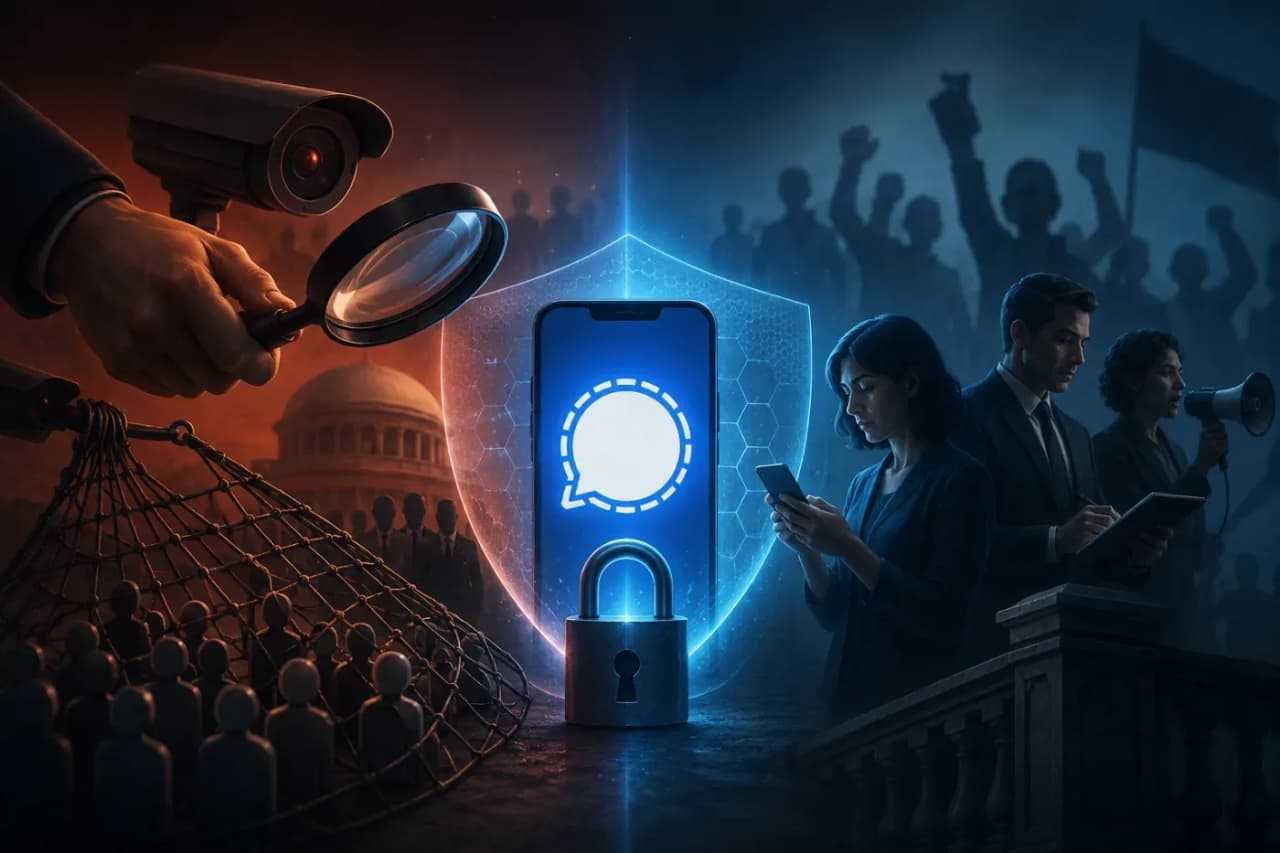
Signal is different from Telegram and WhatsApp. Journalists, lawyers, and activists mostly use it. It offers strong end-to-end encryption and collects very little user data.
This is why the Internet Freedom Foundation (IFF) has strongly criticised the government's notices. The organisation called the move a 'dragnet' with 'no basis in law.' It argues that targeting Signal could hurt people's right to private communication. This goes beyond just stopping online fraud.
The debate has now gone beyond scam prevention. It has turned into a larger discussion about safety versus privacy.
Unlike Telegram, Signal’s usernames are designed mainly as a phone-number privacy tool. Signal says users still need a phone number to register, but they can share a username instead of exposing that number to new contacts.
Also Read | Why Mark Zuckerberg Chose Kunal Shah For WhatsApp?
Telegram’s Growing India Problem
This isn't the government's first move against Telegram this year. The app faced a temporary ban in June after fake NEET exam papers spread on its channels. Also, the Information and Broadcasting Ministry sent Telegram another notice. This one was about pirated films. The ministry gave Telegram 15 days to act against repeat offenders.
Three notices. Two ministries. One clear message: platform responsibility is no longer optional in India.
Telegram is facing pressure on multiple fronts. Apart from the username notice, the I&B Ministry has also reportedly asked Telegram to act against pirated films, OTT shows and repeat offenders within 15 days.
What This Means For Indian Users ?
This story goes beyond two apps. It affects how millions of Indians stay safe online.
Hidden features protect real users too. Whistleblowers, abuse survivors, and activists rely on them. Removing these features could strip away that protection. At the same time, digital fraud is rising fast. Elderly citizens and small business owners often fall prey to scams. The government's push for responsibility makes sense here.
This creates a tricky balance. Too little rules lets scammers thrive. Too much regulation could weaken privacy for journalists and activists who need it most. The outcome will set a precedent. Other messaging apps could face similar scrutiny next. This case could decide how much online anonymity Indian users get to keep.
Also Read | India's Temporary Telegram Ban: The NEET-UG Paper Leak Saga, Explained
What Happens Next?
For now, Telegram and Signal have not made any public statements. The IT Ministry has also not shared an official response. Users, industry experts, and investors are watching closely. They want to see how the companies respond. New regulatory orders could follow soon.
If the government isn't satisfied, both platforms could face action. They may have to change or limit certain features in India. This may include rolling back usernames or introducing new safety rules for India.
The larger debate is becoming clearer: can India balance stronger online safety rules with the right to privacy? The outcome could shape how messaging apps work in India. It may also influence the future of internet regulation in the country.
News4Bharat POV
Bharat's concern over digital fraud is valid. Digital arrest scams, impersonation and phishing are hurting real people, especially elderly users and small businesses. But the answer cannot be a blanket suspicion of privacy tools. Usernames are not only used by scammers; they also protect whistleblowers, journalists, abuse survivors and ordinary citizens who do not want to share their phone numbers everywhere.
The real challenge is not choosing between safety and privacy. India needs both. Platforms must build stronger anti-abuse systems, faster fraud reporting and better impersonation checks. At the same time, the government must ensure that any action against privacy features is transparent, legally grounded and proportionate. This case could decide how much online anonymity Indian users get to keep in the years ahead.